 Megan Mahoney
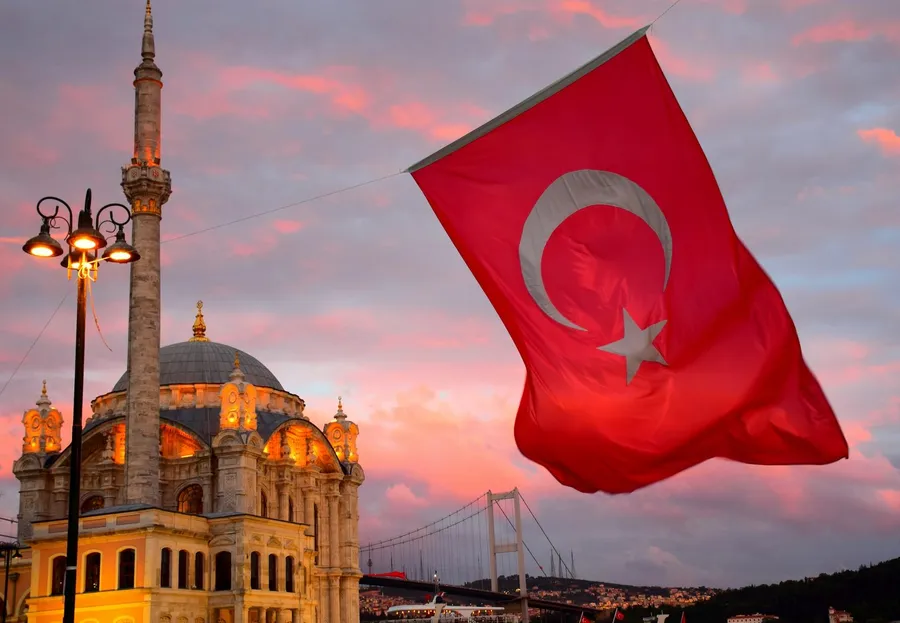
Table of Contents
Türkiye has become a popular tourist destination thanks to its breathtaking mountain ranges, idyllic beaches, and luxurious hospitality.
In this guide, we’ll discuss the best places to vacation in Türkiye, top activities to add to your itinerary and all the practical information you need to know to plan your trip.
Top Vacation Destinations in Türkiye
Below we’ll discuss some of the best cities to visit in Türkiye and the key attractions to add to your itinerary for each destination.
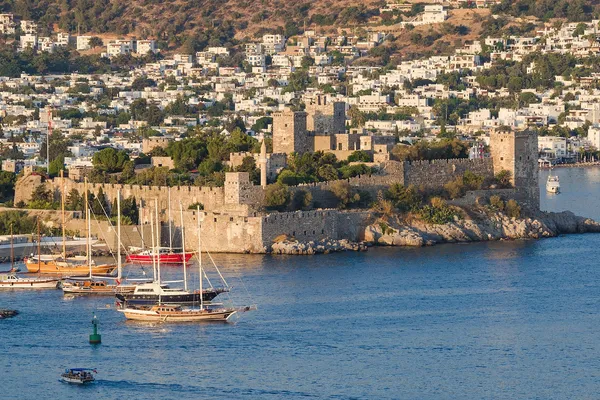
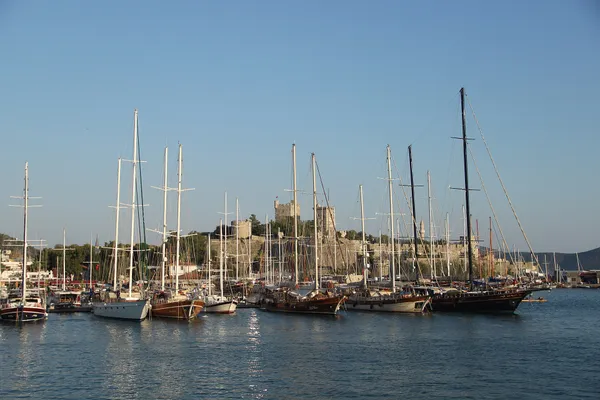
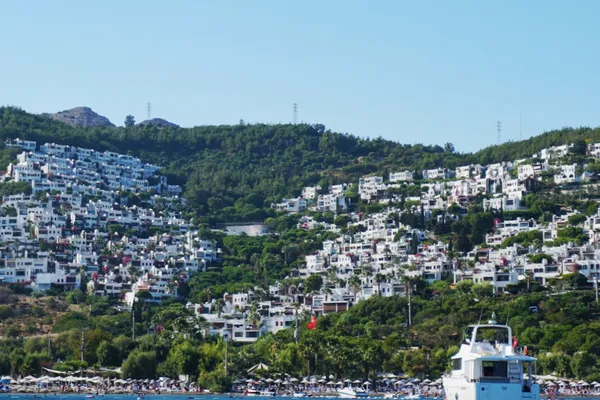
Bodrum: A Lively Coastal Getaway
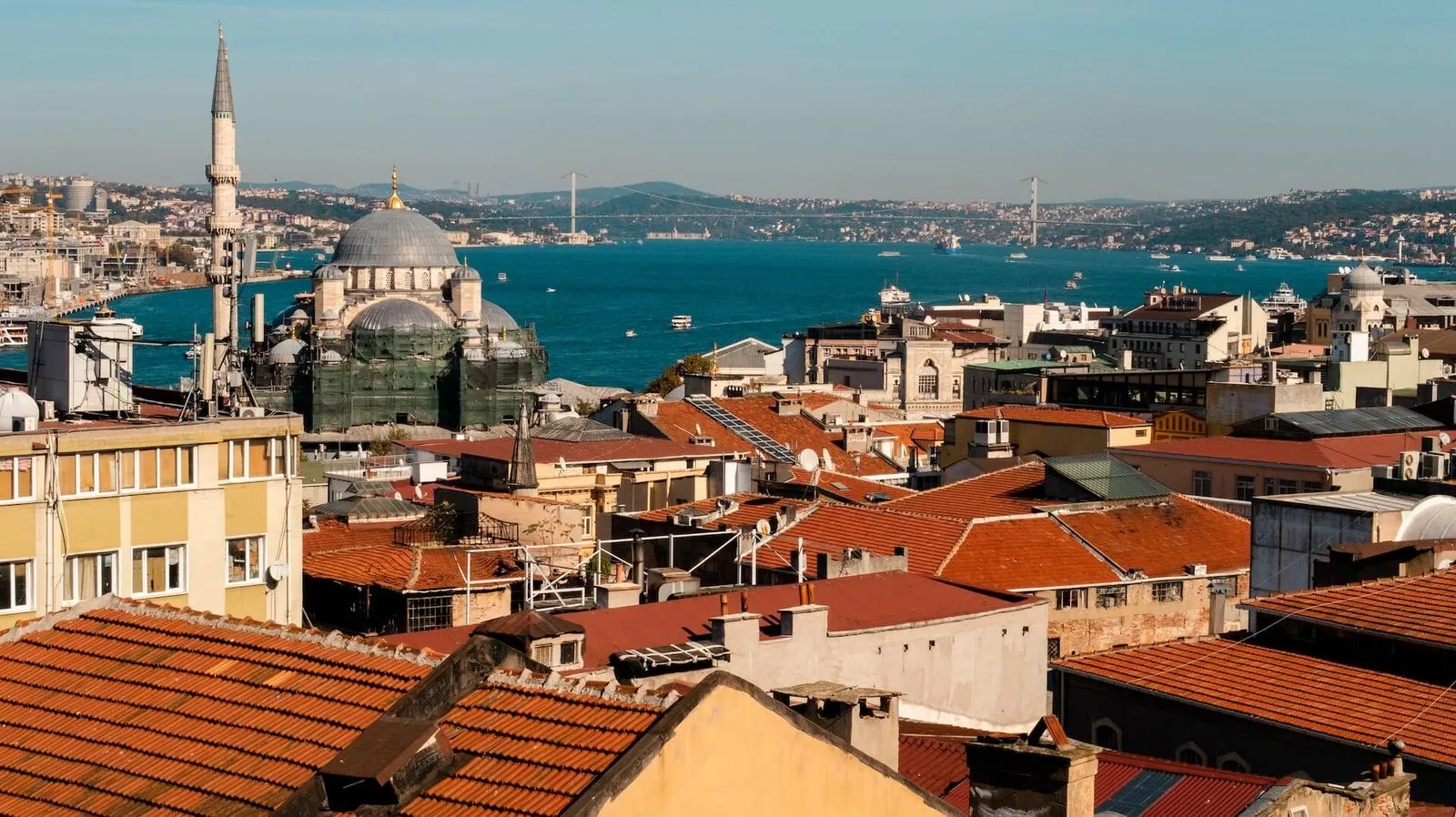
Bodrum is renowned for its lively atmosphere, historic sites, and beautiful beaches. It’s a favorite destination for party-goers, sun-seekers, and culture enthusiasts.
With its medieval castle, ancient mausoleum, and vibrant nightlife, there’s something for everyone in Bodrum. During the day, visitors can explore historical sites or relax on the beach, while at night, the town comes alive with music and dancing.
There are also plenty of luxury options for travelers that want to experience the finest Türkiye has to offer.
Here are some must-see attractions in Bodrum:
- Bodrum Castle: A medieval fortress now housing the Museum of Underwater Archaeology.
- Mausoleum at Halicarnassus: One of the Seven Wonders of the Ancient World.
- Vibrant Nightlife: Experience the town’s famous nightlife.
- Beautiful Beaches: Enjoy water sports or simply soak up the sun.
- Music Festivals: Attend international music events and festivals.
Istanbul: A Melting Pot of Cultures
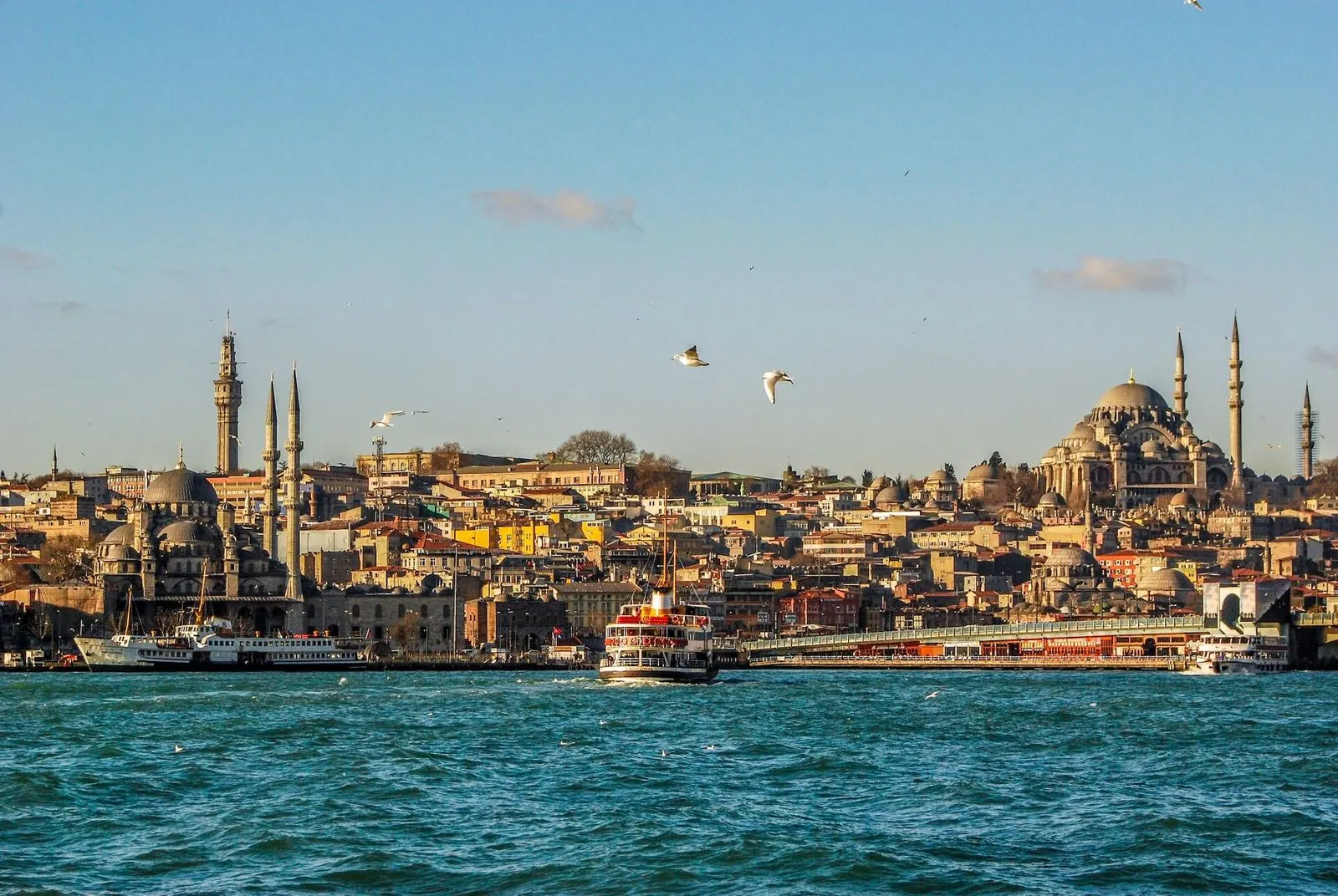
Istanbul is where the old world meets the new, a city that straddles two continents and has been the capital of three great empires. It’s a place teeming with history, culture, and vibrant energy, making it an ideal destination for history buffs, food lovers, and adventure seekers alike.
The city’s unique position between Europe and Asia has given it a rich, diverse cultural heritage that is evident in everything from its architecture to its cuisine. Visitors can explore ancient mosques, palaces, and bazaars, all while enjoying the modern amenities of a bustling metropolis.
Here are some of the top attraction in Istanbul:
- Hagia Sophia: Once a church, later a mosque, and now a museum, this architectural marvel is a must-see.
- Topkapi Palace: Explore the opulent former palace of Ottoman sultans.
- Blue Mosque: Known for its blue tiles surrounding its interior walls, the mosque is a stunning example of Ottoman architecture.
- Grand Bazaar: One of the largest and oldest covered markets in the world.
- Bosphorus Strait: Take a cruise or enjoy a meal with stunning views of the waterway that separates Europe and Asia.
Cappadocia: A Landscape Like No Other
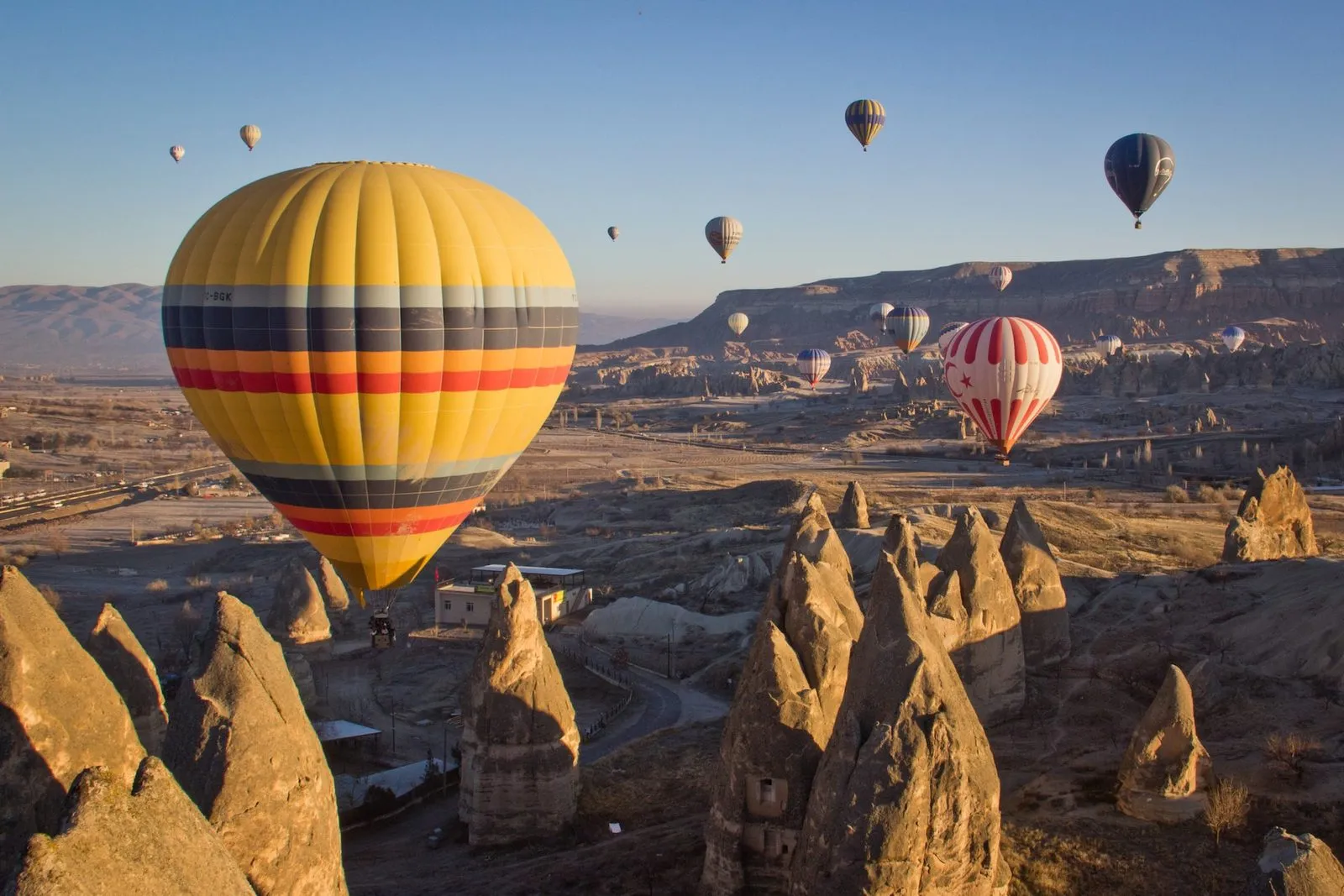
Cappadocia is famed for its surreal landscapes, cave dwellings, and fairy chimneys. It’s a paradise for photographers, outdoor enthusiasts, and those looking to experience something truly unique.
The region’s soft volcanic rock has been sculpted by erosion into a series of otherworldly shapes and was used by early Christian communities as a refuge. Today, visitors can stay in cave hotels, explore ancient underground cities, and take to the skies in a hot air balloon.
Here are some of the best activities and attractions in Cappadocia:
- Hot Air Ballooning: Experience the region’s beauty from above.
- Cave Hotels: Stay in a unique hotel room carved directly into the rock.
- Underground Cities: Discover cities carved out of the rock, once used by ancient communities for refuge.
- Göreme Open-Air Museum: A complex of medieval painted cave churches.
- Unique Rock Formations: Wander through valleys filled with strange and beautiful rock formations.
Ephesus: A Window to the Ancient World
Ephesus is one of the best-preserved Roman cities in the Mediterranean region, and a treasure trove for history enthusiasts and archaeology buffs. Once a major city of the ancient world, it’s home to a variety of well-preserved temples, libraries, and theaters.
Visitors can stroll down ancient streets, marvel at the grandeur of its monuments, and gain a deeper understanding of the daily life and culture of ancient Rome.
Add some of these attractions to your itinerary when you visit Ephesus:
- Library of Celsus: A stunning facade reconstructed from original pieces.
- Temple of Artemis: One of the Seven Wonders of the Ancient World.
- Great Theater: A large amphitheater that once hosted plays, gladiator games, and political discussions.
- House of the Virgin Mary: A pilgrimage site for many Christians.
- Şirince Village: A small village known for its wine and olive oil.
Antalya: Sun, Sea, and Ancient Ruins
With its stunning turquoise coast, ancient ruins, and charming old town, Antalya is a haven for beach lovers, history enthusiasts, and anyone looking to soak up the Mediterranean sun.
The region offers a perfect blend of relaxation and exploration, with beautiful beaches, ancient Roman gates, and a picturesque old town that begs to be explored.
Here are some of Antalya’s top attractions:
- Beautiful Beaches: Relax on the sandy shores and swim in the clear blue waters.
- Hadrian’s Gate: A beautifully preserved Roman monument.
- Antalya Museum: Home to a vast collection of artifacts from the region’s history.
- Köprülü Canyon: Offers white-water rafting and stunning scenery.
- Luxury Resorts: Stay in style with a wide array of luxury accommodation options.
Practical Considerations Before Visiting Türkiye
1. Do I Need a Visa to Visit Türkiye?
Most travelers need a visa to enter Türkiye, but the requirements vary by country. Many visitors can obtain an e-Visa online before traveling. Check the official Republic of Türkiye’s e-Visa website or contact the nearest Turkish embassy or consulate to find out the specific requirements for your nationality.
2. What Is the Best Time to Visit Türkiye?
The best time to visit depends on your preferences and itinerary. Spring (April to June) and fall (September to November) offer mild temperatures and fewer crowds. Summer (July and August) is peak tourist season with hot weather, while winter (December to February) can be cold, especially in the interior regions.
3. What Is the Currency in Türkiye?
The currency in Türkiye is the Turkish Lira (TRY). It’s advisable to have some local currency on hand, but credit cards are widely accepted in major cities and tourist areas.
4. What Language Is Spoken in Türkiye?
Turkish is the official language. English is commonly spoken in tourist areas, but less so in rural regions. Learning a few basic Turkish phrases can enhance your experience.
5. Is Türkiye Safe to Visit?
Türkiye is generally considered safe for tourists, but like any destination, it’s important to take usual safety precautions. Be aware of your surroundings, avoid political gatherings, and keep your belongings secure.
6. What Electrical Outlet Is Used in Türkiye?
Türkiye uses Type C and Type F electrical outlets, and the standard voltage is 220V. You might need a power plug adapter and/or converter depending on your country of origin.
7. What are the Must-Visit Attractions in Türkiye?
- Istanbul: Explore historic sites like the Hagia Sophia, Blue Mosque, and Topkapi Palace.
- Cappadocia: Experience the unique landscape and maybe take a hot air balloon ride.
- Ephesus: Visit one of the best-preserved ancient cities in the world.
- Pamukkale: See the stunning white travertine terraces and the ancient city of Hierapolis.
- Antalya: Enjoy beautiful beaches and explore the old city.
8. What Should I Wear in Türkiye?
Türkiye is a secular country, but it’s also predominantly Muslim, so modest dress is appreciated, especially when visiting mosques or religious sites. In tourist areas and major cities, dress is more liberal.
9. Can I Drink Tap Water in Türkiye?
It’s generally recommended to drink bottled water instead of tap water.
10. Do I Need to Tip in Türkiye?
Tipping is customary in Türkiye, and it’s common to leave around 5-10% in restaurants if you are satisfied with the service. It’s also customary to tip tour guides, drivers, and hotel staff.
11. What Is the Local Cuisine Like?
Turkish cuisine is diverse and delicious. Don’t miss trying kebabs, mezes (small appetizers), baklava, and Turkish delight. Street food is also a must-try, with options like simit (a circular bread) and döner.
12. How Do I Get Around in Türkiye?
Türkiye has a well-connected network of buses and domestic flights. In cities, you can use public transportation, taxis, or rideshare apps. Renting a car is also an option, particularly for exploring more remote areas.
13. What Are the Health and Safety Precautions to Consider?
It’s recommended to have travel insurance that covers health. Check with your health provider for any vaccinations or health precautions. Be aware of the sun and stay hydrated, especially in summer.
14. What is the Emergency Number in Türkiye?
The emergency number for police, ambulance, and fire in Türkiye is 112.
15. What Souvenirs Should I Bring Back from Türkiye?
Popular souvenirs include Turkish carpets, ceramics, spices, Turkish delight, and textiles.
Commonly Asked Questions Regarding Turkish Culture
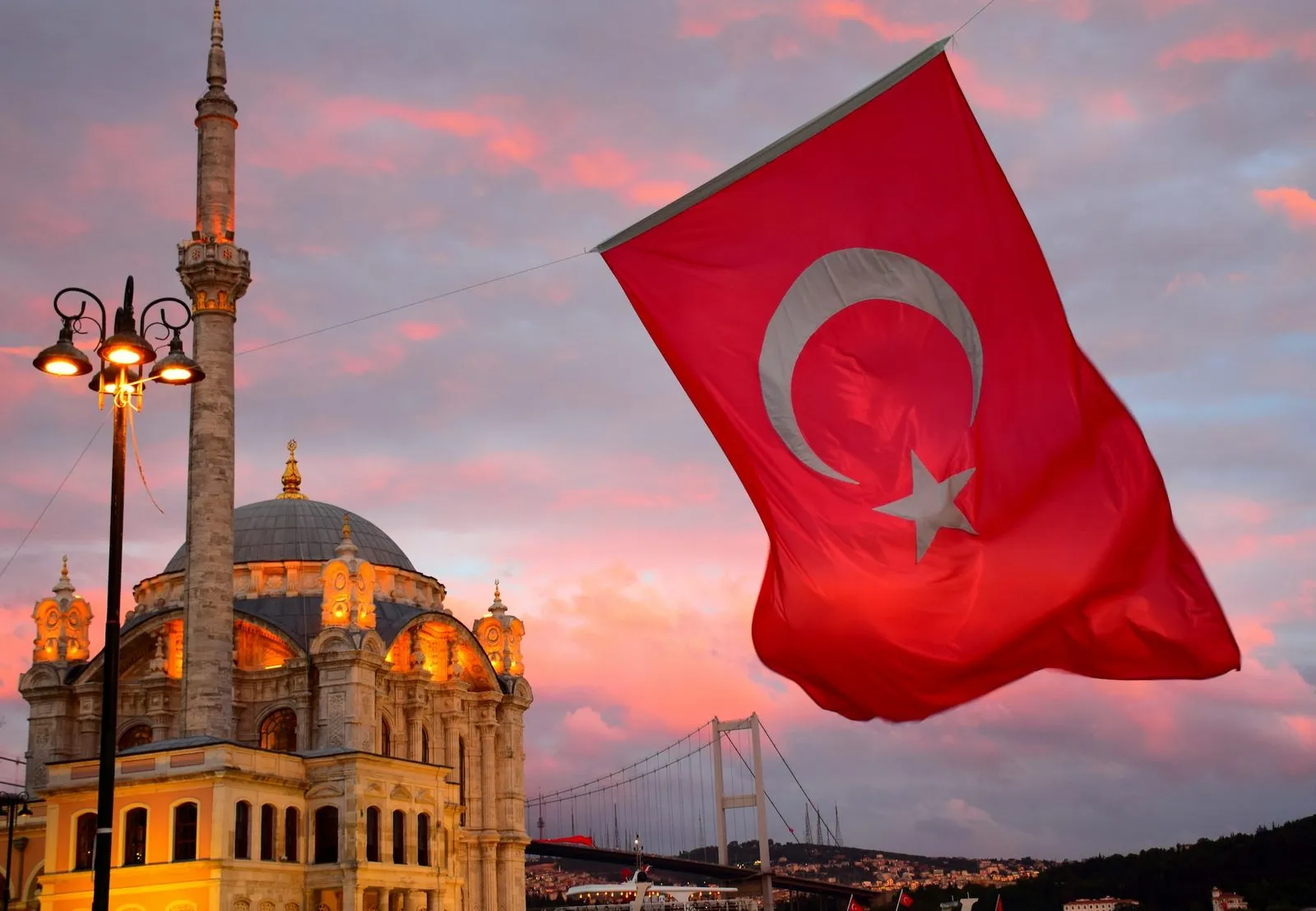
1. How Should I Dress in Türkiye?
In major cities and tourist areas of Türkiye, the dress code is quite modern, but modest attire is appreciated, especially when visiting religious sites.
At mosques, women are expected to cover their heads with a scarf, and both genders should cover their shoulders and knees. Always remove your shoes before entering a mosque. Even in more liberal areas, it’s a good idea to avoid overly revealing clothing to respect the local culture.
2. How Do I Show Respect in a Mosque?
Maintaining a respectful demeanor in mosques is crucial. Keep your voice down, avoid walking in front of people who are praying, and try not to visit during prayer times, especially on Friday afternoons. Observing these practices demonstrates your respect for the local religious traditions.
3. What is the Etiquette for Visiting Someone’s Home?
Turkish hospitality is renowned, and if you’re invited to someone’s home, it’s polite to bring a small gift for the host, remove your shoes at the door, and make sure not to refuse any food or drink offered. These gestures show your appreciation for the hospitality and help build positive relations.
4. How Do I Greet People in Türkiye?
Greetings in Türkiye tend to start off formally, with a handshake in formal settings, and using titles and surnames until a closer relationship is established. Close friends and family members may greet each other with a hug or kisses on both cheeks.
5. How Should I Handle Haggling in Markets?
Haggling is a common and accepted practice in Turkish markets, but it should always be conducted in a friendly and respectful manner. Remember that once a price is agreed upon, it is considered binding.
6. What Should I Know About Turkish Etiquette?
Respect towards elders is significant in Turkish culture; for instance, it’s customary to stand when an older person enters the room, and offer your seat to them on public transport. Pay attention to your body language to avoid misunderstandings, such as avoiding pointing the sole of your foot at someone, which is considered rude.
7. What is the Attitude Towards Photography?
Always ask for permission before taking photos of people, particularly in rural areas, and avoid photographing sensitive areas like government or military buildings. This shows your respect for people’s privacy and local regulations.
8. What Are the Customs Related to Eating and Drinking?
Wait for the host to start the meal, try to finish everything on your plate, and accept offered tea or coffee as gestures of hospitality. These practices show respect for Turkish traditions related to hospitality and dining.
9. What Should I Know About Visiting Historical and Cultural Sites?
Be mindful of rules and guidelines when visiting historical and cultural sites, avoid touching artifacts unless it’s explicitly allowed, and keep your noise levels down to show your respect for the site and other visitors.
10. What is the Local Attitude Towards Time and Punctuality?
Turks value punctuality for business and formal settings, while social events might have a more relaxed approach to time. Being punctual shows your respect for others’ time.
11. Are There Any Cultural Taboos I Should Be Aware of?
Avoid insulting the Turkish nation or its leaders as it is illegal and taken very seriously. Additionally, the topic of the Armenian Genocide is a sensitive subject and is best avoided in conversations.
Plan Your Vacation to Türkiye Today
Whether you’re deciding what to do and where to stay in Türkiye or you need practical guidance on planning and booking your trip to Bodrum, our team of experts can answer your questions.
We also have a library of resources and guides on everything from the best yachts and restaurants to the best luxury resorts and hotels.
Reach out to our team today to learn more about how we can help you plan an unforgettable experience in Türkiye.
Contact out team of Bodrum experts for more local information during your stay in Bodrum.