 Leyla Ergil
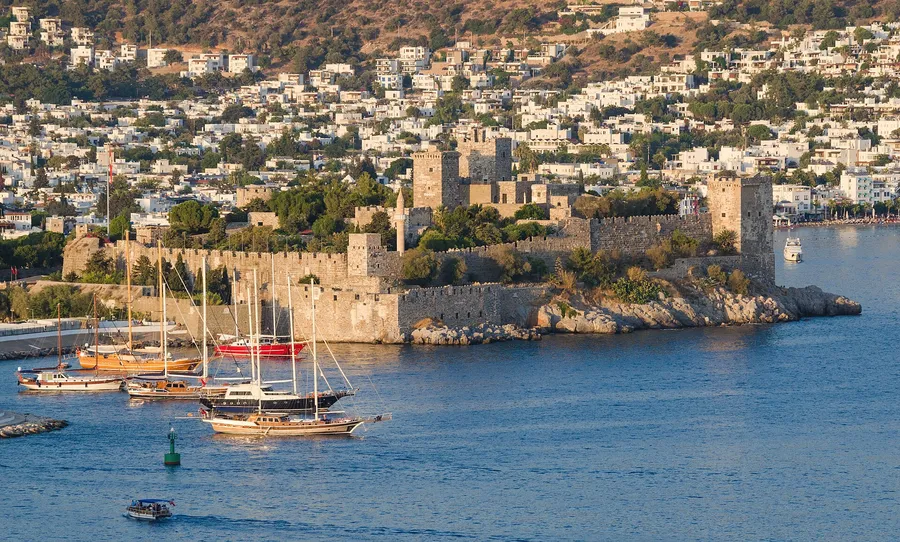
Table of Contents
Bodrum Castle, also called the Castle of St. Peter, is the 15th-century fortress on the headland between Bodrum’s two bays. It was built by the Knights of St John (the Knights Hospitaller) and now houses the Bodrum Museum of Underwater Archaeology, with some of the oldest shipwrecks ever excavated. Entry is €20 for foreign visitors, and in winter it is open every day from 08:30 to 17:30 (official prices and hours, checked November 2026).
Bodrum Castle at a glance
| Official name | Bodrum Sualtı Arkeoloji Müzesi (Bodrum Museum of Underwater Archaeology), inside Bodrum Kalesi |
| Winter hours (1 Oct – 1 Jun) | Daily 08:30–17:30, ticket office closes 17:00 |
| Summer hours (1 Jun – 1 Oct) | Daily 08:30–22:00, ticket office closes 21:30 |
| Foreign visitors | €20 (age 8 and over); under 8 free |
| Turkish citizens | 200 TL; under 18 and over 65 free |
| MüzeKart | Valid |
| Address | Çarşı Mahallesi, Kale Caddesi, Barış Meydanı Sokak No: 36, Bodrum |
| Phone | +90 252 316 25 16 |
| Facilities | Café, shop, toilets, audio guide |
Sources: Turkish Museums (Ministry of Culture and Tourism) and muze.gov.tr, checked November 2026. Prices and hours can change at short notice, especially around holidays, so check muze.gov.tr before you go.
A short history of the Castle of St. Peter
The Knights of St John, a crusader order based on Rhodes, started building the castle in the early 1400s (sources give 1402 or 1404) on the site of an older fortification. They named it after St Peter, and the castle’s medieval name, Petronium, is where the name “Bodrum” comes from.
Each of the order’s national groups, or “tongues”, paid for and built its own part. That is why the main towers are still called the English, French, German and Italian towers. Coats of arms of individual knights are carved into the walls all over the castle; spotting them is one of the pleasures of a slow visit.
The knights needed stone, and they found it nearby. The Mausoleum of Halicarnassus, the monumental tomb of the Carian ruler Mausolus and one of the Seven Wonders of the Ancient World, had already been damaged by earthquakes. The knights quarried its marble and green volcanic stone for the walls, especially when they strengthened the castle from 1494 onwards. You can still see reused ancient blocks and fragments of relief in the walls.
When Sultan Süleyman took Rhodes in December 1522, the knights had to give up Bodrum too, and the castle passed to the Ottomans in 1523. A small mosque was added, and the castle was later used as a prison (from 1895). The Bodrum Museum of Underwater Archaeology opened inside it in 1964. Since 2016 the castle has been on Türkiye’s UNESCO World Heritage Tentative List.
What to see inside
The castle is large, uneven and spread over several levels. There is no single route, but most people walk up through the lower courtyard to the towers, then come back down through the exhibition halls.
The Uluburun shipwreck
The highlight for most visitors. The Uluburun ship sank off the coast near Kaş in the late 14th century BC, in the Late Bronze Age. It was found in 1982 by a sponge diver from Yalıkavak and excavated by the Institute of Nautical Archaeology between 1984 and 1994. The ministry describes it as the most important underwater find of the 20th century.
The hall shows a full-size reconstruction of the hull and its cargo: around ten tonnes of Cypriot copper ingots, a tonne of tin, glass ingots, Mycenaean pottery, jewellery and Egyptian objects, including a gold scarab bearing the name of Queen Nefertiti. It is one of the earliest pieces of evidence for long-distance sea trade on this scale.
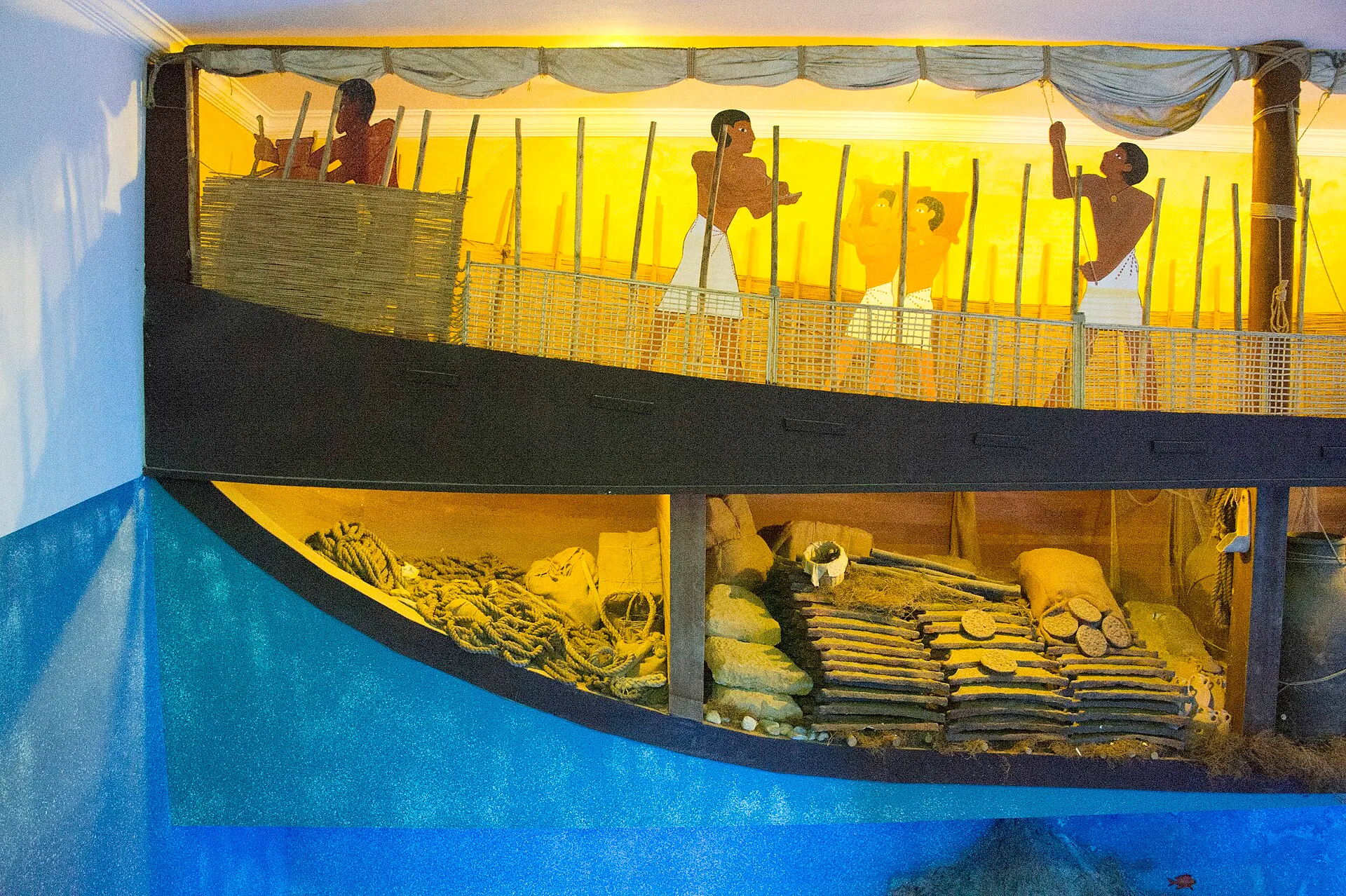 Photo: Dosseman / Wikimedia Commons, CC BY-SA 4.0
Other shipwreck halls
- Serçe Limanı Glass Wreck Hall: an 11th-century ship carrying Islamic glass from Syria, including scrap glass collected for recycling a thousand years ago.
- Yassıada, Tektaş and Bozukkale halls: wrecks from the Archaic to the Byzantine period, with explanations of how the ships were built.
- Amphora exhibition: one of the largest amphora collections in the world, covering the 16th century BC to the 12th century AD.
- History of Underwater Archaeology exhibition: how Bodrum’s sponge divers helped start the field in the 1960s.
The towers and land finds
- English Tower: an exhibition on the castle’s construction and the knights, with coats of arms and banners.
- Princess of Caria Hall: the tomb finds of a high-status Carian woman who died in the 4th century BC, including her gold jewellery.
- Halls of land finds: the Müsgebi necropolis (the largest collection of Mycenaean objects in a Turkish museum), the Halicarnassus East Necropolis and Pedasa.
- The chapel / castle mosque, the bath and the cannon exhibition.
- The walls and towers themselves: the views over both bays, the marina and the town are worth the climb.
The grounds are planted with Aegean trees and plants, and you will probably meet the castle’s peacocks.
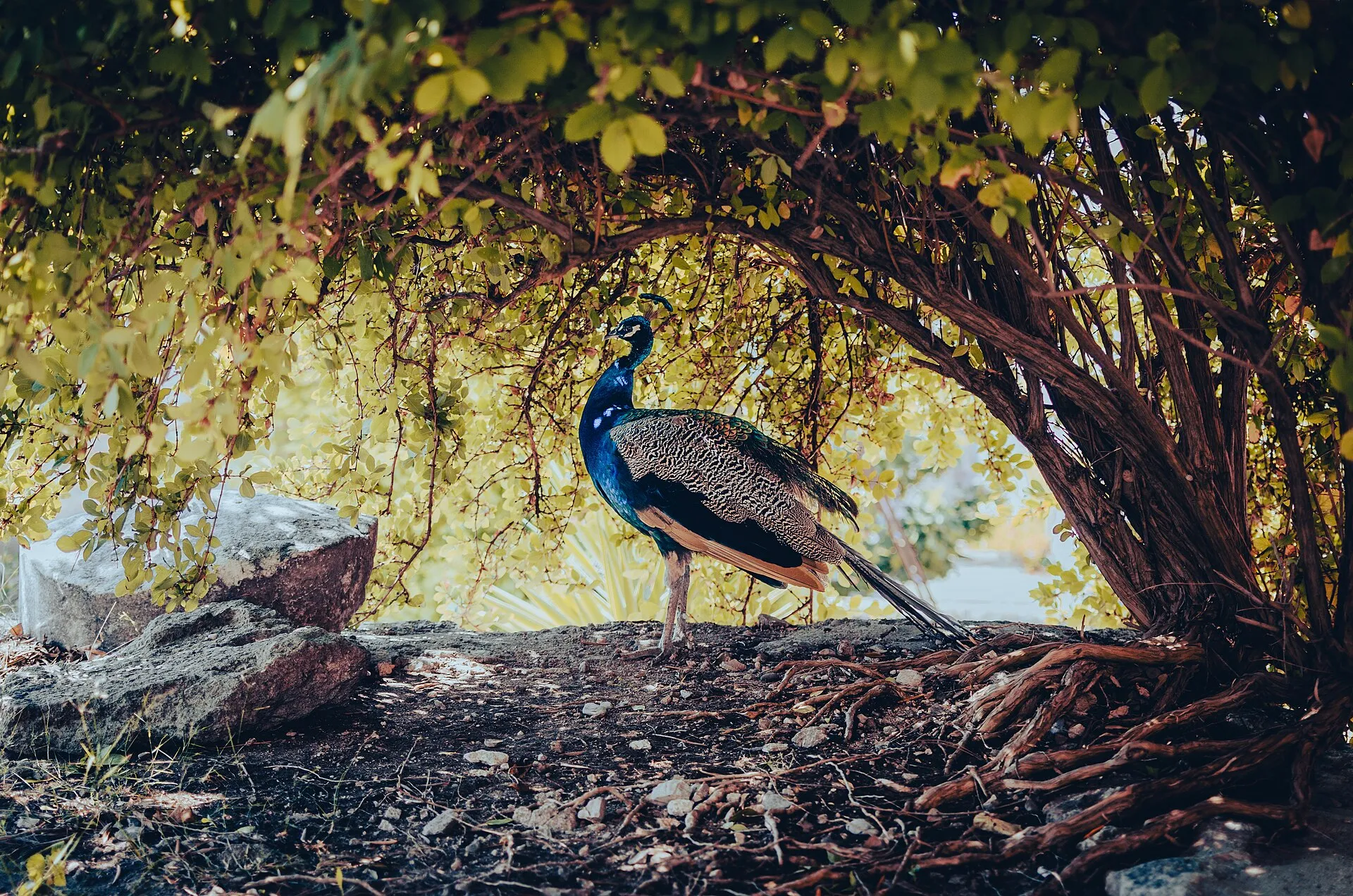 Photo: Serhio Magpie / Wikimedia Commons, CC BY 4.0
Some halls close temporarily for restoration or rearrangement. If one part matters to you, call the museum on +90 252 316 25 16 before you go.
Tickets, MüzeKart and passes
You can buy tickets at the entrance or as an official e-ticket through muze.gov.tr. The €20 foreign-visitor price and the 200 TL price for Turkish citizens are the official ones (checked November 2026). Both cover the castle and the museum.
- MüzeKart: the ministry lists it as valid here. The MüzeKart is the annual museum card for Turkish citizens; foreign residents with a Turkish residence permit can buy a version of it (often called MüzeKart 99, for ID numbers starting with 99). Check the current conditions on muze.gov.tr before buying.
- Night museum (summer only): in summer the castle stays open until 22:00. MüzeKart holders with a Turkish ID number pay an extra 200 TL to visit after 19:00. The night opening ended for 2026 on 30 September.
- Museum Pass The Aegean: the ministry’s museum page advertises this pass at €95 for seven days, covering more than 40 state museums and sites in İzmir, Aydın, Muğla and Denizli. It is worth it if you are also visiting places like Ephesus or Pamukkale.
How to get there
The castle stands on the headland in the centre of Bodrum town, between the marina bay and Kumbahçe bay. The entrance is off the main square by the harbour (Barış Meydanı, at the end of Kale Caddesi).
- From Bodrum bus station (otogar): about 10–15 minutes on foot, downhill through the bazaar.
- From other parts of the peninsula: dolmuş minibuses from Gümbet, Bitez, Ortakent, Turgutreis, Yalıkavak and the other villages all run to the otogar. A taxi is easier in the evening.
- By car: parking in the centre is limited and expensive in summer. Use one of the paid car parks and walk in, or come early.
- From the airport: Milas-Bodrum Airport is about 35–40 minutes away by car. See our guide to Bodrum airport transfers.
How long to allow, and tips
- Allow two to three hours. The museum’s own advice is to arrive by early afternoon in winter, because the ticket office closes at 17:00.
- Wear good shoes. There are lots of steps, ramps and uneven stone floors, and much of the visit is outdoors. Parts of the castle are hard going with a pushchair or a wheelchair.
- Bring water and a hat in summer. The courtyards get very hot after late morning. In July and August go when it opens or in the evening (see Bodrum weather by month).
- Use the audio guide if you want the context; the labelling in some halls is brief.
- Combine it with the town. The Mausoleum site and the ancient theatre are both close by; see Bodrum’s museums and our things to do in Bodrum.
- See it from the water. The best view of the whole castle is from a boat leaving the harbour. Most Bodrum boat trips pass right in front of it.
If you would like a private guide for the castle and the ancient sites, our concierge team can arrange one, or see our list of private tours in Bodrum.
Hero photo: Serhio Magpie / Wikimedia Commons, CC BY 4.0
Frequently asked questions
How much is the Bodrum Castle entrance fee?
€20 for foreign visitors aged 8 and over, and 200 TL for Turkish citizens. Children under 8 enter free, as do Turkish citizens under 18 and over 65 (official prices, checked November 2026). The ticket covers the castle and the Museum of Underwater Archaeology.
What are Bodrum Castle's opening hours?
In winter (1 October to 1 June) it is open every day 08:30–17:30, with the ticket office closing at 17:00. In summer (1 June to 1 October) it is open 08:30–22:00, ticket office until 21:30 (checked November 2026).
Can I use the MüzeKart at Bodrum Castle?
Yes. The Ministry of Culture and Tourism lists the MüzeKart as valid for the Bodrum Museum of Underwater Archaeology. During the summer night opening, MüzeKart holders with a Turkish ID number pay an extra 200 TL after 19:00.
How long do you need at Bodrum Castle?
Allow two to three hours to see the towers, the shipwreck halls and the walls. If you only want the views and the Uluburun shipwreck, 90 minutes is enough.
Is Bodrum Castle the same as the Mausoleum?
No. The Mausoleum of Halicarnassus is a separate archaeological site about a 10-minute walk away in town. The Knights of St John took many of its stones to build and strengthen the castle.